About TMS & the EXOMIND device.
A calm, plain-language guide to how TMS works, what a session feels like, and what the research says today — so you can decide if it's right for you.
How TMS works
A small magnetic coil rests near the scalp and delivers gentle, focused pulses. Those pulses reach the mood-regulating regions of the brain and gently encourage them to fire in healthier patterns.
What a session feels like
You sit in a comfortable chair, awake the whole time. You'll hear a clicking sound and feel a light tapping on your scalp. Most sessions last around 30 minutes. You can drive home after.
Safety & side effects
TMS is non-invasive, drug-free, and doesn't require anesthesia. The most common side effect is mild scalp discomfort during the first sessions, which usually fades. Serious side effects are rare.
The science of neuroplasticity
Neuroplasticity is the brain's built-in ability to rewire itself. TMS is thought to nudge this process along — helping brain circuits form healthier, more resilient patterns over a series of sessions.
Awake, aware, and in control
Nothing about a TMS session removes your awareness. You can read, listen to music, or simply rest. Many clients look forward to the quiet time.
Cleared, studied, and evolving
TMS has been in clinical use for over 15 years. The evidence base for depression is strong, and researchers continue to study its role in anxiety, focus, sleep, and cravings.
Depression
TMS is FDA-cleared in the U.S. for the treatment of major depressive disorder. It is often recommended for people who haven't found relief from antidepressant medications, or who prefer a drug-free approach. Multiple clinical studies show meaningful, often durable improvements in depressive symptoms after a course of TMS.
A typical depression course involves short daily sessions over several weeks. Your provider will personalize the protocol to your history and goals.
Insurance may cover this track. Coverage varies by plan and medical eligibility. Our team can help you check your benefits.
Wellness, anxiety, cravings & more
EXOMIND is approved in Canada and the European Union for anxiety symptoms, OCD, and excessive eating disorders. In the U.S., providers may offer these applications off-label — based on international approvals, emerging research, and clinical judgment.
Clients often report improvements in stress response, focus, sleep quality, and cravings. Research in these areas is ongoing, and individual results vary. We use conditional, honest language — no cures, no guaranteed results — because your trust matters more than a headline.
Offered cash-pay. Transparent pricing, no referrals or insurance paperwork required.
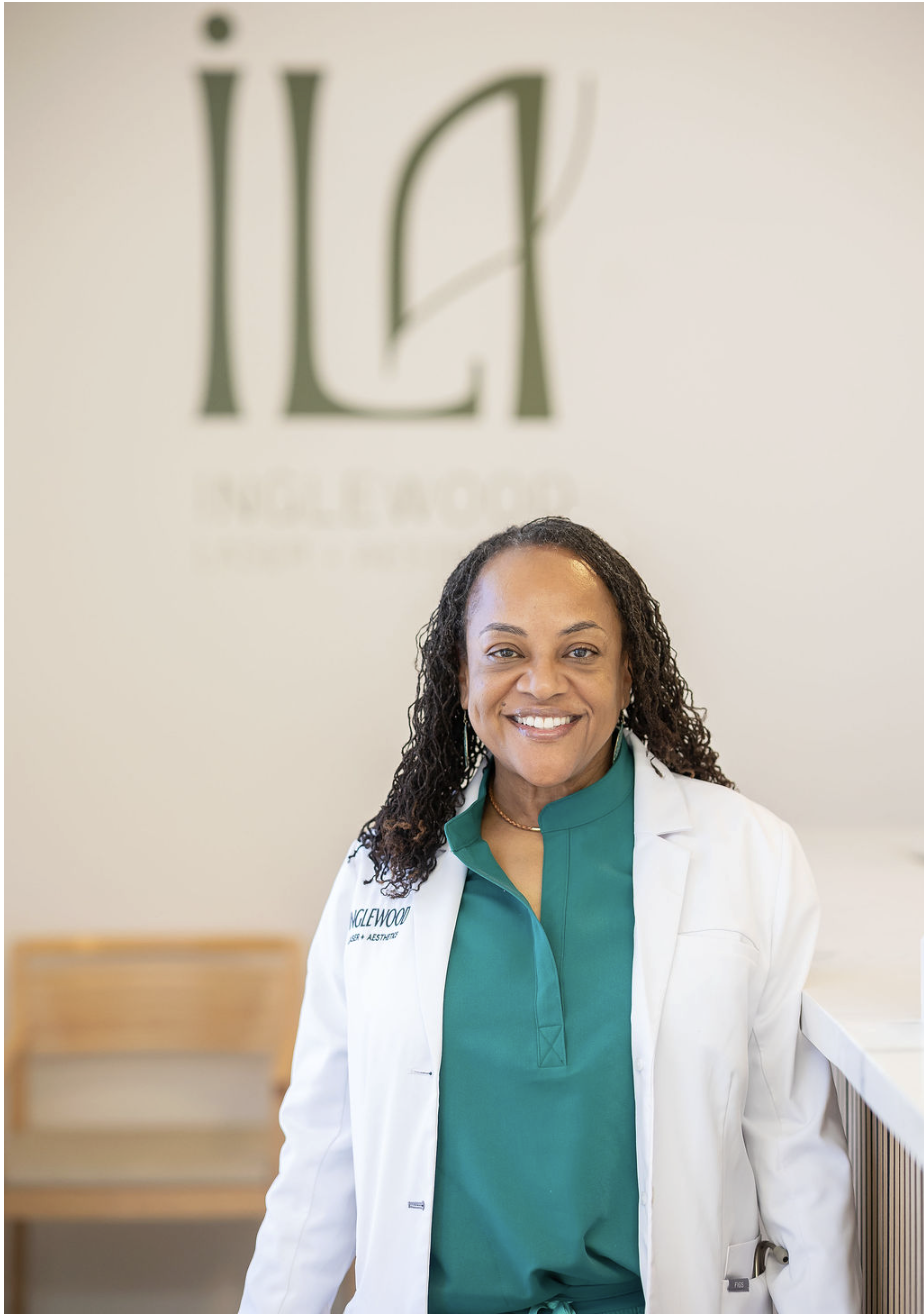
Robin Riley-Garner, PA-C
Robin leads Inglewood TMS Center with unhurried, honest consultations. Sister practice to Inglewood Family Medical Clinic.
Still have questions?
Free consultations are the best way to find out if TMS is a fit for your goals.